
In New York, where skyscrapers and crowds fill the streets, fire safety is of utmost importance. The F-03 exam, given by the FDNY, is a crucial assessment for individuals seeking to become certified fire guards. It tests their ability to handle emergency situations effectively.
Passing the F-03 exam demonstrates your competence in maintaining safety standards in buildings and public spaces. This comprehensive guide will provide you with essential strategies and tips to help you ace the F03 practice test on your first attempt.
Key Takeaways
- Understand the certification requirements for becoming a fire guard in New York City.
- Master key fire safety protocols and emergency response procedures.
- Learn effective strategies to prepare for the F03 practice test.
- Gain confidence in handling emergency situations.
- Obtain your fire guard certification with ease.
Understanding the F03 Fire Guard Certification
The F03 certification is a specialized credential issued by the Fire Department of New York (FDNY) that qualifies individuals to serve as fire guards at permanent or temporary places of public assembly. This certification is crucial for those seeking to ensure fire safety and comply with New York City’s regulations.
What is the F03 Certification?
The F03 certification verifies that the holder possesses the necessary knowledge and skills to perform fire watch duties, implement emergency protocols, and ensure compliance with New York City’s stringent fire safety regulations. The certification process involves passing a comprehensive F03 practice test that evaluates candidates’ understanding of fire prevention techniques, emergency response procedures, and the proper use of fire safety equipment.
Why the F03 Certification Matters in New York City
In New York City, the F03 certification is not just a professional qualification but a legal requirement for anyone responsible for fire safety at public gatherings, events, or venues where large numbers of people congregate. For building owners and event organizers, hiring certified F03 fire guards provides assurance that their premises meet safety standards and that trained professionals are on hand to respond effectively in emergency situations.
Passing the F03 practice test demonstrates a candidate’s commitment to fire safety and enhances their professional prospects. The FDNY certification obtained through the F03 exam is essential for fire guards to legally operate in New York City’s commercial and residential structures.
Key Requirements for Taking the F03 Practice Test
To successfully register for the F03 practice test, it is crucial to understand the prerequisites and necessary documentation. The process involves several key steps that ensure candidates are adequately prepared for their roles as fire guards.
Essential Documentation and Prerequisites
Candidates must gather specific documents before applying for the F03 practice test. These include a valid government-issued photo ID, proof of completing an approved fire guard training program, and evidence of compliance with NYC fire code regulations.
- A valid government-issued ID, such as a driver’s license or passport.
- Proof of completing an approved fire guard training course.
- Evidence of following NYC fire code and other relevant regulations.
Candidates must also be at least 18 years old and have a clean criminal record to qualify.
FDNY Certification Standards
The FDNY enforces strict certification standards for the F03 practice test, ensuring that candidates possess the necessary knowledge and skills. The test evaluates understanding of fire watch requirements, fire prevention principles, and emergency response protocols.
The certification process verifies that candidates have completed prerequisite training and possess the physical and mental capabilities to perform fire guard duties effectively.
F03 Practice Test Format and Structure
Understanding the format and structure of the F03 practice test is essential for candidates preparing for the fire guard certification exam. The test is designed to assess a candidate’s knowledge and skills in fire safety, emergency procedures, and the specific responsibilities of a fire guard.
Test Content and Question Types
The F03 practice test typically consists of multiple-choice questions that cover a wide range of topics related to fire safety and emergency procedures. These include fire prevention techniques, proper use of fire extinguishers, evacuation protocols, and communication during emergencies. The questions are designed to evaluate both theoretical knowledge and practical application, often presenting real-world scenarios that require critical thinking and decision-making skills.
The test content is comprehensive, covering various scenarios that a fire guard may encounter. This includes identifying potential fire hazards, understanding the proper procedures for using fire extinguishers, and knowing how to evacuate a building safely.
Time Limitations and Passing Score
The F03 practice test is administered with strict time limitations, typically allowing candidates 30-45 minutes to complete approximately 20-30 questions. This requires efficient time management and focused concentration. To pass the test, candidates must achieve a minimum score of 70%, demonstrating sufficient mastery of the material to safely and effectively perform fire guard duties in compliance with FDNY standards.
| Test Component | Description | Time Allowed |
|---|---|---|
| Multiple Choice Questions | 20-30 questions covering fire safety and emergency procedures | 30-45 minutes |
| Passing Score | Minimum score required to pass | 70% |
Core Fire Guard Duties and Responsibilities
Fire guards are essential for preventing and responding to fire emergencies in urban environments. Their duties are multifaceted, encompassing both proactive measures to prevent fires and reactive measures to respond to fire emergencies.
Fire Watch Patrols and Monitoring
One of the primary responsibilities of a fire guard is to conduct regular fire watch patrols. During these patrols, they monitor assigned areas for potential fire hazards, signs of smoke, or fire. Fire guards must be vigilant, maintaining detailed logs of their observations to ensure that any risks are identified and mitigated promptly. They also inspect fire safety equipment, including fire extinguishers and fire alarm systems, to ensure they are functioning correctly.
Fire guards are trained to respond quickly and effectively in the event of a fire. They are responsible for activating alarm systems, initiating evacuation procedures, and communicating with emergency services. By doing so, they play a critical role in ensuring the safety of building occupants.
Fire Prevention Practices
Fire prevention is a significant aspect of a fire guard’s duties. They educate building occupants on fire safety practices and ensure that emergency exits are unobstructed and clearly marked. Fire guards also conduct regular checks of fire safety equipment, such as fire extinguishers, to ensure they are readily available and in good working condition.
Moreover, fire guards are responsible for maintaining clear evacuation routes and ensuring that occupants are aware of emergency procedures. By promoting a culture of fire safety and preparedness, fire guards significantly reduce the risk of fire-related emergencies.
In preparation for the F03 practice test, candidates must understand the comprehensive role of fire guards in maintaining fire safety and responding to emergencies. This knowledge is crucial for successfully completing the test and becoming a certified fire guard.
Mastering Fire Safety Protocols for the F03 Practice Test
To ace the F03 practice test, it’s crucial to master fire safety protocols. The test evaluates your knowledge of critical fire safety procedures, including building evacuation guidelines and fire extinguisher operation techniques.
Building Evacuation Guidelines
A thorough understanding of building evacuation guidelines is essential for passing the F03 practice test. This includes knowledge of different evacuation scenarios, such as full building, partial, or shelter-in-place evacuations, and when each should be implemented. Candidates must be familiar with the procedures for guiding occupants to safety during an emergency, including techniques for assisting individuals with disabilities or special needs according to established evacuation plans.
- Understand the different types of evacuation scenarios and their implementation.
- Master the procedures for guiding occupants to safety during emergencies.
- Learn techniques for assisting individuals with disabilities or special needs.
Fire Extinguisher Operation Techniques
The F03 practice test assesses your understanding of fire extinguisher operation techniques, specifically the PASS method (Pull, Aim, Squeeze, Sweep) and the ability to select the appropriate extinguisher type for different classes of fires. Familiarity with fire safety signage, emergency communication systems, and the proper use of emergency equipment is also essential.
- Understand the PASS method for operating fire extinguishers.
- Learn to select the appropriate extinguisher type for different classes of fires.
- Familiarize yourself with fire safety signage and emergency communication systems.
By mastering these fire safety protocols, candidates can demonstrate their competency in fire safety procedures and increase their chances of passing the F03 practice test.
Emergency Response Procedures You Need to Know
To succeed in the F03 practice test, candidates must be well-versed in emergency response procedures. This includes understanding the protocols for communication during fire emergencies and coordination with emergency services.
Communication During Fire Emergencies
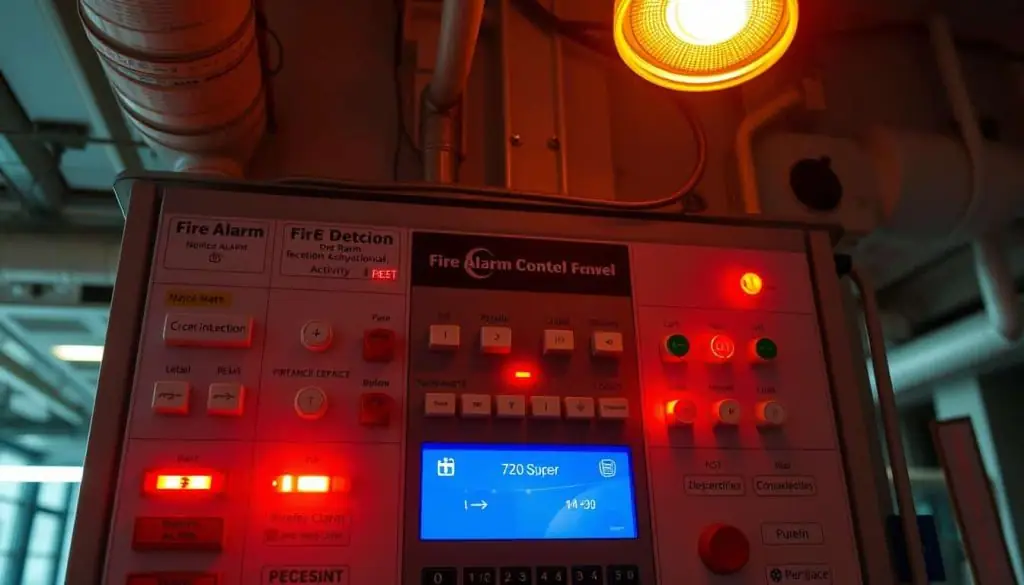
Effective communication during fire emergencies is critical. Candidates should demonstrate knowledge of proper alarm activation procedures and clear communication protocols for notifying building occupants. The F03 practice test evaluates understanding of the fire alarm system components, including how to interpret different alarm signals and the appropriate response actions for various types of alarms or notifications.
Key aspects of communication during fire emergencies include:
- Understanding the fire alarm system and its components
- Knowing how to activate the alarm system in case of a fire emergency
- Clear communication protocols for notifying building occupants
- Interpreting different alarm signals and responding appropriately
Coordination with Emergency Services
Candidates must know the proper procedures for coordinating with emergency services, including when and how to contact the fire department, what essential information to provide, and how to direct first responders to the emergency location. The F03 practice test assesses knowledge of the chain of command during emergency situations, including understanding the roles of building safety personnel, fire department officials, and other emergency responders.
For more information and to practice the F03 test, visit our F03 practice test page.
Top Study Strategies for the F03 Practice Test
To ace the F03 practice test, it’s crucial to adopt a strategic study plan. The F03 practice test is a pivotal step in obtaining fire guard certification in New York City, and thorough preparation is key to success.
A well-structured study plan begins with acquiring the right study materials. Official FDNY study materials, including the F-03 study guide, are indispensable resources for fireguard practice. These materials provide the most accurate and up-to-date information directly aligned with the certification exam content.
Effective Study Materials and Resources
In addition to official study guides, supplementing your study with other resources can enhance your understanding. Online fireguard practice tests, fire safety textbooks, and video tutorials demonstrating proper emergency response techniques are valuable tools. These resources help in reinforcing your knowledge and preparing you for the types of questions you’ll encounter on the actual test.
- Utilize official FDNY study materials and the F-03 study guide.
- Supplement with online practice tests and fire safety textbooks.
- Leverage video tutorials for visual learning.
| Study Resource | Description | Benefit |
|---|---|---|
| Official FDNY Study Guide | Comprehensive guide covering all test topics. | Aligned with certification exam content. |
| Online Fireguard Practice Tests | Simulated tests to assess knowledge and readiness. | Helps identify areas for improvement. |
| Fire Safety Textbooks | In-depth coverage of fire safety protocols and procedures. | Enhances understanding of fire safety principles. |
Practice Test Techniques
Creating a structured study schedule is essential. Allocate sufficient time to review all test topics, focusing extra on areas where you’re less confident, such as specific fire safety regulations or emergency communication protocols. Active learning techniques like flashcards for key terms and concept mapping can reinforce your understanding.
- Create a structured study schedule.
- Use active learning techniques like flashcards and concept mapping.
- Take multiple full-length practice tests under timed conditions.
By adopting these study strategies and utilizing the right resources, you’ll be well-prepared to tackle the F03 practice test and move closer to achieving your fire guard certification.
Common Mistakes to Avoid on the F03 Practice Test
When preparing for the F03 practice test, it’s crucial to be aware of common pitfalls that can hinder your success. Understanding these mistakes can help you better prepare and achieve a higher score.
Misinterpreting Test Questions
One of the common mistakes on the F03 practice test is misinterpreting questions about fire extinguisher classifications. Candidates often struggle to select the appropriate extinguisher type for specific fire scenarios. To avoid this, thoroughly review the differences between Class A, B, C, D, and K extinguishers. For instance, Class A extinguishers are used for ordinary combustibles, while Class B extinguishers are used for flammable liquids.
- Understand the different classes of fire extinguishers and their applications.
- Practice identifying the correct extinguisher for various fire scenarios.
Knowledge Gaps in Fire Safety Procedures
Many test-takers struggle with questions related to evacuation procedures in different emergency scenarios. It’s essential to understand when to evacuate versus when to shelter in place based on the type and location of the fire emergency. Additionally, knowledge gaps in understanding fire alarm system components and proper response protocols can lead to incorrect answers.
| Emergency Scenario | Action |
|---|---|
| Fire in a nearby room | Evacuate immediately |
| Fire alarm activation | Investigate and notify emergency services |
To avoid these mistakes, it’s crucial to practice methodical question analysis and elimination techniques. By doing so, you can ensure that you select the most accurate response for each question on the F03 practice test.
Conclusion: Your Path to F03 Certification Success
The F03 practice test is more than just a certification exam; it’s a gateway to ensuring public safety in New York City. To successfully pass the F03 practice test, one must demonstrate a comprehensive understanding of fire safety principles, emergency response procedures, and the specific responsibilities of a fire guard in various scenarios.
By thoroughly preparing with the strategies outlined in this guide, you’ll be well-equipped to navigate the certification exam with confidence and demonstrate your competence in fire safety protocols. It’s crucial to remember that becoming a certified fire guard is not just about passing a test—it’s about developing the knowledge and skills necessary to protect lives and property during emergency situations.
After obtaining your F03 certification, commit to ongoing education and training to stay current with evolving fire safety standards and emergency response best practices. Your dedication to mastering the material covered in the F03 practice test will not only advance your professional career but also contribute significantly to the safety and well-being of the communities you serve as a certified fire guard.
In conclusion, the key to F03 certification success lies in a thorough understanding of fire safety principles, diligent preparation, and a commitment to ongoing education. By following these guidelines, you’ll be well on your way to acing the F03 practice test and making a positive impact in your community.
FAQ
What is the primary role of a Fire Guard in New York City?
The primary role of a Fire Guard is to monitor a building or area for potential fire hazards, ensure compliance with fire safety regulations, and take action in case of a fire emergency.
What are the FDNY certification standards for Fire Guard certification?
The FDNY sets specific certification standards for Fire Guard certification, including completing a training course, passing a written exam, and meeting certain prerequisites.
What should I expect during the Fire Guard certification exam?
The exam will test your knowledge of fire safety protocols, emergency response procedures, and relevant regulations, with multiple-choice questions and potentially other formats.
How can I effectively prepare for the Fire Guard certification exam?
To prepare, study relevant materials, take fire safety courses, and use online resources, such as study guides and practice exams, to assess your knowledge and identify areas for improvement.
What are some key fire safety protocols I should know for the exam?
Key protocols include building evacuation guidelines, fire extinguisher operation techniques, and understanding the proper use of sprinkler and standpipe systems.
How do I ensure effective communication during a fire emergency?
Effective communication involves using clear and concise language, following established protocols, and coordinating with emergency services to ensure a prompt and safe response.
What are some common mistakes to avoid on the Fire Guard certification exam?
Common mistakes include misinterpreting test questions, having knowledge gaps in fire safety procedures, and failing to follow instructions carefully.
What is the importance of having an evacuation plan in place?
An evacuation plan is crucial for ensuring the safety of building occupants in case of a fire, providing a clear and efficient means of exiting the premises.